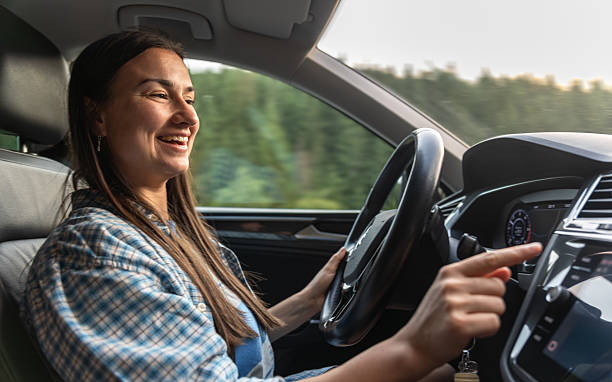
Some cars just click. You sit down, start the engine, move five meters ahead, and something in your brain goes “yeah… this is it.” And it’s funny because on paper, that car might not be the best deal. Mileage could be average, features maybe missing one or two fancy things, but still it feels right. I’ve felt this more than once, and honestly it’s hard to explain to someone who only looks at spec sheets.
I remember test driving a compact hatchback a few years ago. It wasn’t powerful, didn’t even have a touchscreen (yup, old-school). But the steering felt light, the clutch wasn’t fighting my leg, and I didn’t feel stressed driving it in traffic. Compared to another “better” car I tried the same day, this one just felt like it understood me. Sounds dramatic, but car people know this feeling.
It Starts the Moment You Sit Inside
Before the engine, before the drive, it starts with how you sit. Seat height, steering reach, visibility. If you’re adjusting the seat for five minutes and still can’t get comfortable, that’s already a red flag. Some cars make tall people feel cramped, some make shorter drivers feel like they’re peeking over a wall.
There’s also this small thing no one talks about much. Pedal placement. If the brake and accelerator feel awkwardly spaced, your foot keeps thinking too much. Driving should be muscle memory, not a math problem. When a car feels right, your body settles in fast, like sitting on your favorite chair at home.
Steering Feel Is Underrated (And Hard to Measure)
Car brochures love talking about horsepower, torque, zero to hundred times. But steering feel? That’s rarely explained properly. And yet, it’s a huge reason why some cars feel alive and others feel dead inside.
A good steering wheel talks back a little. Not literally, obviously, but you can sense what the front tires are doing. On social media, especially car Twitter and YouTube comments, people keep complaining how modern cars have “numb steering.” It’s true. Electric steering has improved a lot, but some cars still feel like playing a racing game with vibration turned off.
When steering feels right, you don’t overthink turns. You don’t fight the wheel. It just goes where you expect it to go, like pointing your finger.
Engine Response Matters More Than Power
This might annoy some performance lovers, but raw power isn’t everything. Throttle response matters way more in daily driving. I’d rather have a car that responds instantly to my foot than a powerful one that wakes up after a second.
It’s like ordering coffee. You don’t want the strongest coffee in the world if it arrives cold and late. You want it hot and on time.
Turbo lag, gear hunting, delayed acceleration. These things break the connection between driver and car. A car that feels right reacts naturally. You press, it moves. Simple relationship, no drama.
Ride Comfort vs Road Feel Balance
Here’s where it gets tricky. Some people love soft suspension, some want stiff and sporty. But the best-feeling cars usually find a middle ground. They absorb bad roads without feeling like a boat.
In India especially, this matters a lot. Our roads change personality every few kilometers. A car that crashes over bumps will feel wrong very fast. At the same time, if it’s too soft, highway driving feels floaty and scary at high speeds.
There was a small stat I read somewhere (can’t remember exact source, maybe a forum) that said buyers who test drive on bad roads are 30 percent more likely to choose comfort over features. Makes sense. You feel it immediately.
Noise, Vibration, and That Weird Silence
Ever noticed how some cars are quiet in a good way, and some are quiet in a suspicious way? Total silence can feel disconnected. A bit of engine sound, tire noise, even indicator clicks, these tiny sounds tell your brain the car is alive.
When everything is too muted, it feels like driving a washing machine. Smooth, yes. Engaging? Not really.
I once drove a premium sedan that felt almost too perfect. No feedback, no sound, nothing. My brain was bored. Five minutes later, I missed my exit because I wasn’t mentally present. True story, slightly embarrassing.
The Emotional Side Nobody Admits
This is the part people don’t like to admit. Emotions matter. Design, brand image, even what your friends say on WhatsApp groups affects how a car feels.
If you’ve been watching reels about a particular car for weeks, hearing owners praise it, seeing mods and road trips, your brain is already biased before the test drive. And that’s okay. We’re human, not robots.
Sometimes a car feels right because it fits the story you want to live. Weekend trips, late-night drives, family comfort, or just looking back at it after parking. Yeah, that last one is real.
Why First Drive Feel Often Beats Long-Term Logic
Here’s the slightly dangerous part. A car that feels right on the first drive isn’t always the smartest choice long term. Maintenance costs, service experience, resale value. These things show up later, not in the showroom.
But the first drive feeling is powerful. It’s like meeting someone and instantly liking them. You don’t know all the flaws yet, but the connection is there.
That’s why people still buy cars that aren’t perfect on paper. Because driving is emotional. Daily. Personal. And if a car makes you feel relaxed, confident, or even a little excited every morning, that matters more than an extra feature or two.
At least that’s how I see it. Maybe I’m wrong. Wouldn’t be the first time.