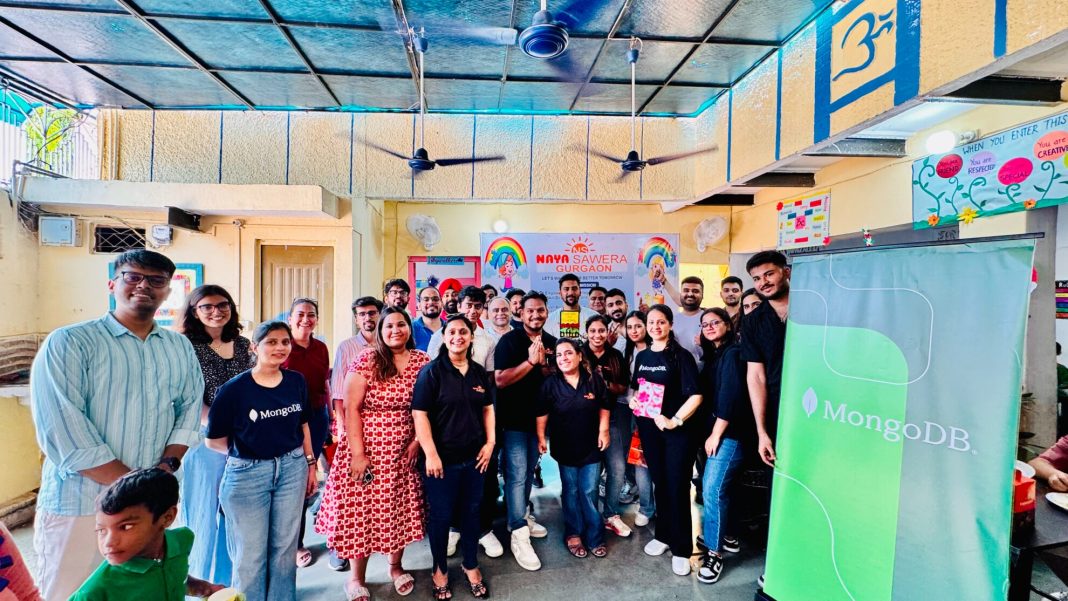
A City With Both Resources and Needs
Gurgaon is one of India’s most prominent corporate hubs, with technology firms, financial institutions, consulting companies, and manufacturers concentrated in a compact area. That concentration creates real opportunity for csr in gurgaon, because companies have both the resources and the proximity to support communities close to where their employees work and live.
Alongside the towers are settlements and neighborhoods where families face challenges in education, health, sanitation, and livelihoods. The gap between corporate prosperity and everyday struggle is visible within a few kilometres, which makes local CSR both meaningful and immediately tangible.
Turning that opportunity into lasting change takes careful planning. Companies that succeed usually choose focused priorities, commit for several years, and work with partners who know the community well.
What a Good Partner Brings to the Table
A dependable csr partner ngo offers far more than execution. It brings knowledge of local needs, established trust with families, trained field staff, and experience navigating the practical realities of running programs, from securing space to handling attendance and follow-up.
It also brings accountability. Sound organizations maintain audited accounts, project-wise reporting, and documented processes, which make it easier for companies to meet their own compliance obligations and answer questions from auditors or leadership.
Equally important is honesty. A good partner will explain what is working, what is not, and what adjustments are needed, rather than presenting only success stories. That candor is the foundation of a productive relationship.
Choosing Focus Areas That Fit Your Company
The strongest CSR programs connect to something the company genuinely understands or cares about. A technology company might support digital literacy for children, a healthcare business might focus on preventive health, and a manufacturer might invest in vocational skills for young people.
Consider scale and duration too. Education and skills outcomes take years to appear, so multi-year commitments tend to produce better results than one-year projects that end just as they begin to show effect. Long horizons also allow the partner to plan and retain staff.
Whatever the focus, make sure it fits within the categories permitted by Schedule VII of the Companies Act and aligns with the company’s approved CSR policy and annual action plan.
Tracking Impact and Staying Engaged
Set expectations for reporting at the outset. Regular progress updates, financial statements, and outcome data allow the company to see how funds are being used and to intervene early if something goes off track.
Visit the projects. Seeing programs in action deepens understanding, builds relationships with beneficiaries and staff, and gives leadership a genuine connection to the work being supported.
Finally, share the story internally. When employees understand what the company is achieving in their own city, pride and engagement grow. Over time, this turns CSR from an annual obligation into a valued part of the company’s identity.
The Case for a Multi-Year Commitment
Short, one-year projects are tempting because they are simple to approve, but real change in communities is usually slower. A multi-year approach to csr in gurgaon lets programs settle in, build trust, and respond to lessons learned along the way. It also gives the partner stability to hire and retain skilled staff, which improves the quality of delivery.
Companies sometimes worry that long commitments reduce flexibility. In practice, well-designed agreements include annual reviews and exit provisions, so both sides can adjust if circumstances change. The stability gained usually outweighs the flexibility lost.
Long-term partnerships also improve reporting. Baseline data collected in year one can be compared against later results, giving the company and its stakeholders a credible picture of change over time.
Engaging Employees and the Community
Employees can play a meaningful part. Volunteering, skill sharing, and fundraising campaigns connect staff to the cause while giving the NGO additional support. When employees see the outcomes, pride in the company’s contribution grows.
A strong csr partner ngo will help design this engagement so that it benefits communities first and does not overburden staff or beneficiaries. Simple, well-organized activities aligned with real needs are far more useful than large events staged mainly for visibility.
Community voices matter too. Regular feedback from families and local leaders helps ensure that programs remain relevant and respectful. Companies that listen carefully tend to build goodwill that lasts well beyond any single project cycle.
Ultimately, CSR in a city like Gurgaon works best when companies and communities feel like neighbors rather than donors and recipients. Regular contact, shared goals, and mutual respect turn funding into a genuine partnership that benefits families, employees, and the company alike.
As you plan next year’s projects, take a moment to review what the last cycle taught you. Which activities delivered results, which fell short, and what would you change? Honest reflection, shared with your partner, is the simplest way to make each year of CSR better than the last.
A final practical tip: keep a simple shared calendar with your partner showing visits, reports, and review meetings for the year. Predictable rhythms reduce last-minute pressure and make it easier for busy teams on both sides to stay closely involved.