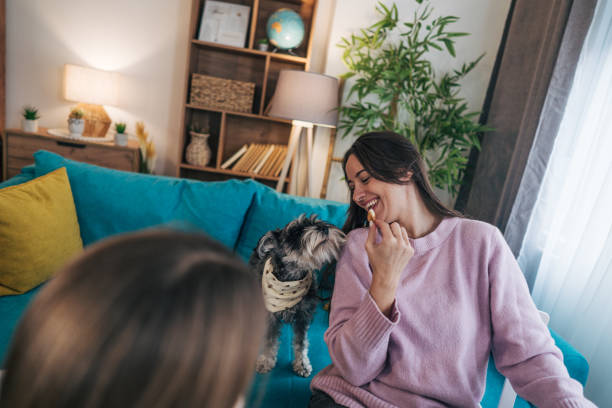
I don’t know when it started exactly, but at some point homes stopped feeling like places people live in and started looking like content. You open Instagram, scroll a bit, and boom—ten living rooms that look like clones. Same beige couch, same plant in the corner, same wall art that says absolutely nothing about the person who owns it.
It looks good, no doubt. Very clean. Very aesthetic. Also very… empty. Not empty furniture-wise, but emotionally empty. Like a place where you’d remove your shoes carefully and sit stiff because you’re scared of ruining the vibe.
That’s when I realized something. We’re designing houses, but forgetting homes.
Good Design Can’t Replace Character
Design is like good lighting. It helps, but it’s not the main character. A house can be designed perfectly and still feel boring. Personality is what makes you feel comfortable walking around at 2 a.m. half asleep, grabbing water without turning on all the lights.
Think of it like people. You’ve met those folks who dress incredibly well but have nothing interesting to say. Then you meet someone average-looking who pulls you into a two-hour conversation without trying. Homes work the same way.
A house with personality doesn’t care if the cushion colors match perfectly. It cares if you’re comfortable. If you’re relaxed. If you feel like staying in instead of going out for no real reason.
Why Trendy Homes Feel Cold After a While
Trends are fast. Faster than we admit. What looks “modern” today looks outdated in like three years. And chasing trends is exhausting. Mentally and financially.
I’ve seen people redesign entire rooms just because a new color palette started trending. That’s money, time, and energy going straight into impressing people who probably won’t even notice.
There’s also this weird pressure now. Homes need to be “postable.” If it doesn’t look good on camera, people feel something is wrong with it. But cameras don’t capture comfort. They don’t capture the feeling of your favorite chair or that one corner where you always end up sitting with your phone.
Online comments kinda show this shift though. You’ll see reels with perfect interiors and someone always says, “Looks nice but doesn’t feel cozy.” That sentence says a lot.
Personality Makes a House Easier to Live In
Here’s something nobody talks about enough. A personality-driven home actually works better in daily life. Because it’s built around habits, not appearances.
If you love reading, a random reading corner makes more sense than a designer coffee table that no one touches. If you cook a lot, your kitchen should look used, not untouched like a display unit.
I once stayed in a super well-designed apartment where everything had rules. Don’t sit here, don’t touch that, careful with this. It was beautiful, but stressful. Meanwhile, my messy cousin’s house feels like instant relief the moment you walk in. That’s personality doing its job.
Homes Are Emotional Spaces, Whether We Admit It or Not
There’s actual psychology behind this, even if we don’t get into heavy research stuff. Familiar objects create emotional safety. Photos, souvenirs, random things with stories attached. They ground you.
Minimal homes look calm, but they can feel lonely if taken too far. Humans like reminders. We like seeing parts of our life around us. A home that reflects memories feels warmer without trying.
And honestly, personality doesn’t mean clutter. It just means intention. Things that matter to you, not things that matter to algorithms.
Design Should Support You, Not Control You
The problem isn’t design. The problem is when design starts bossing people around. When your home dictates how you should live instead of adjusting to how you already live.
Good design quietly supports personality. Bad design tries to replace it.
If you’re someone who works from the sofa sometimes, that’s not a flaw. Design around it. If you like eating meals in your bedroom occasionally, welcome to real life. A home that accepts you fully feels way better than one constantly judging you.
Why Personality Saves Money Too
This part is underrated. Homes with personality cost less over time. Because you’re not replacing things just because they went out of trend. You buy what you like, what lasts, what feels right.
Trend-based homes are like fast fashion. Looks great for a moment, then suddenly feels wrong. Personality-based homes are more like that old jacket you refuse to throw away because it still feels like you.
Financially, it’s calmer. Emotionally too.
Homes Should Feel Lived In, Not Frozen
Some of the best homes I’ve been to were imperfect. Slightly mismatched furniture. Walls that weren’t freshly painted. Stuff that told stories instead of shouting style.
A home isn’t a showroom. It’s a background for your life. Life is messy, emotional, loud, quiet, boring, exciting—sometimes all in one day. Expecting a home to stay perfect through all that is unrealistic.
Let it breathe. Let it reflect you.
Because at the end of the day, design might impress guests. Personality takes care of you when nobody’s watching.