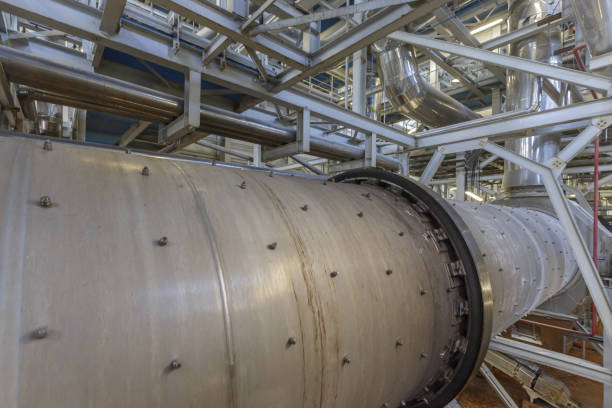
So i gotta tell ya, most people never really think about their lime calcination kiln seal until stuff starts going wrong, like big time. I mean the kiln still “works” right? so everyone’s chill. but the truth is, that seal is like the unsung hero of your whole lime plant. if its busted or old, you might as well be trying to cook pizza in a broken oven, cause all that heat just escapes and you are wasting fuel like crazy.
I remember this one plant i visited first year, i was like “why are they burning so much gas??” and turns out the seal was falling apart, just letting heat fly out like it owned the place. Everyone was ignoring it cause “eh the kiln still turns” but efficiency? nah, gone.
how the seal even works
So a lime kiln is basically a big tube that spins and rocks go in one end and lime comes out the other. simple right? but that seal keeps all the heat inside. think of it like a thermos. without it, you are basically just heating the outside air, rocks barely calcining. and seals have it rough, they deal with crazy heat, friction, dust, sometimes chemicals. old style rope seals are cheap but they suck after a while. modern ones, like mechanical or ceramic fiber, cost more but trust me, you save tons on fuel and headache.
why ignoring it is a bad idea
most operators just care about burners or limestone quality, not the seal. but a bad seal can waste up to 15% of your heat. yeah, sounds small but that adds up fast. depending on plant size, that could be hundreds of thousands gone. i seen forums where people were like “it’s cheaper to buy a new seal than keep buying gas” and it’s not a joke.
signs your kiln seal is messed up
sometimes its obvious, sometimes not. dust escaping, weird noises, fuel bills creeping up, material not calcining properly. people ignore it and blame everything else. small cracks or gaps can make a big difference. it’s like a leaking faucet at home, you think its tiny but the water bill says otherwise.
temp inconsistencies inside the kiln are another red flag. the seal might look fine but could be letting heat escape slowly, screwing with the process.
upgrading to better seal
i been to plants where they switched from rope to mechanical. night and day difference. fuel bills down, less downtime, happier operators. honestly its like swapping old drafty windows in your house, spend a little now, save a lot later. and yeah, you feel stupid for not doing it earlier lol.
some random tips from me
don’t wait till it breaks completely. check often, clean dust, fix minor wear early. talk to your supplier, sometimes you can retrofit without stopping the kiln. also check forums and social media, people post pics and tips, sometimes funny stories too. it’s more useful than dry manuals sometimes.
last thoughts
so yeah, the lime calcination kiln seal might be small, but it matters more than you think. affects heat efficiency, product quality, even your sanity. inspect it, fix it, dont wait for disaster. small investment here saves big headaches and big bills.
at the end, running a kiln smooth is part science, part luck, and part paying attention to small stuff. keep your seal happy, your team happy, and your wallet happy.