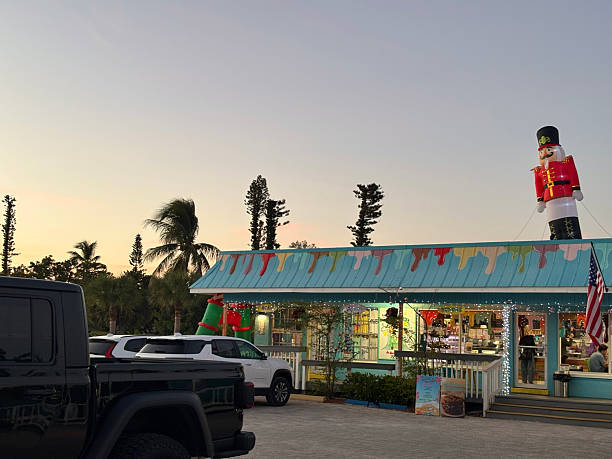
I’ve always been a little confused by this. You walk past a tiny repair shop or a local food place that barely has a signboard, no Instagram reels, no paid ads screaming “50% OFF,” yet somehow it’s been open for 12 years. Meanwhile, another startup nearby spends crazy money on ads, influencers, even hoardings… and shuts down in eight months. This is where the whole idea of “big marketing = success” starts to feel a bit overrated, or at least incomplete.
Some small businesses survive not because they shout the loudest, but because they quietly fit into people’s lives. Like that one pen you keep using for years without knowing the brand name.
Trust spreads faster than ads sometimes
Here’s a thing most marketing blogs won’t highlight enough. People trust people, not banners. A study I read a while back said over 70% of consumers trust recommendations from friends and family more than any form of advertising. Honestly, that feels low to me. In real life, it’s probably higher.
Think about it. If your cousin says, “Bro, this tailor is slow but his stitching is solid,” you’re going there. No Facebook ad can beat that. Small businesses often survive on this quiet word-of-mouth engine. It’s slow, yes. But once it starts, it’s sticky.
I once helped a local bakery owner with some basic online stuff. He wasn’t interested in ads at all. His logic was simple and kind of genius in a lazy way. “If one customer brings two more, why should I pay Facebook?” Hard to argue with that math.
They solve boring problems really well
Big brands love sexy problems. Innovation. Disruption. AI-powered toothbrushes. Small businesses? They fix boring stuff. Leaky taps. Cracked phone screens. Late-night hunger. And boring problems don’t go out of fashion.
There’s a mobile repair guy near my place who still uses a phone number written on cardboard. His shop looks like it hasn’t changed since 2012. But he fixes phones fast and doesn’t overcharge. That’s it. No logo redesign, no brand story. Just consistency. People remember consistency more than creativity, which is sad for designers but great for survival.
Location is still underrated in the Instagram era
Everyone online talks like physical location doesn’t matter anymore. That’s not fully true. For small businesses especially, location is silent marketing. A chai stall near a college gate doesn’t need ads. The crowd is built-in. Same with shops near hospitals, bus stands, or offices.
There’s this lesser-known stat from a local retail survey in India that said nearly 60% of small offline businesses get repeat customers mainly because of convenience, not price or branding. Basically, “it’s close, so I go there.” Brutally honest, but effective.
They listen, like actually listen
Big companies do surveys. Small businesses do conversations. There’s a difference. When a regular customer complains, a small business owner feels it personally. Sometimes too personally. But that feedback loop is fast.
I’ve seen shop owners change product quality, pricing, even opening hours just because two regulars said something. No meetings. No reports. Just instinct. This makes them adapt quicker, even if they don’t call it “market research.”
On Twitter and Reddit, you’ll often see people saying things like “support local, they actually care.” It sounds emotional, but there’s truth there. Care shows up in small actions. Extra chutney. A free repair. Remembering your usual order. These things don’t scale well, but they build loyalty like nothing else.
Low ego, low burn rate
This one’s uncomfortable but important. Many small businesses survive because the owner’s ego is… manageable. They’re okay not looking big. No unnecessary hires. No “let’s burn money to grow fast” mindset.
Financially, it’s like personal budgeting. Someone earning 30k a month but spending wisely might be more stable than someone earning 1 lakh and living on credit cards. Small businesses often operate like that first person. They know their limits. They don’t chase vanity growth.
A niche stat I came across said nearly half of small business failures happen due to cash flow issues, not lack of demand. The ones that survive usually keep expenses boring and predictable. Not exciting, but effective.
Marketing still exists, just not the flashy kind
Here’s the twist. These businesses are marketing all the time. They just don’t call it that. Clean shop. Honest pricing. Friendly tone. Quick service. That’s marketing, just offline and unglamorous.
Social media chatter often mocks “hustle culture” brands that spend more time posting than improving the product. Meanwhile, these small businesses put all their energy into the product or service itself. The result is organic promotion without hashtags.
I’ve noticed people are tired of being sold to. Ads feel louder every year. So when a business doesn’t push too hard, it feels refreshing. Almost rebellious.
Luck plays a role, let’s be real
Not everything is strategy. Some businesses survive because they started at the right time, right place, with the right kind of customers. Luck matters. Anyone who says otherwise is overselling their course.
But luck alone doesn’t keep a business alive for years. What keeps it alive is not messing up the basics repeatedly. Show up. Deliver. Don’t cheat. Repeat. Sounds boring again, I know.
Why this matters more now
In a time where everyone thinks visibility is everything, these businesses are proof that depth still beats reach. You don’t need everyone to know you. You just need the right few to care enough to come back.
Big marketing can accelerate growth, sure. But survival often comes from being useful, reliable, and human. Slightly imperfect, sometimes slow, occasionally grumpy, but real.
And maybe that’s the lesson. You don’t always need to be loud to last long.