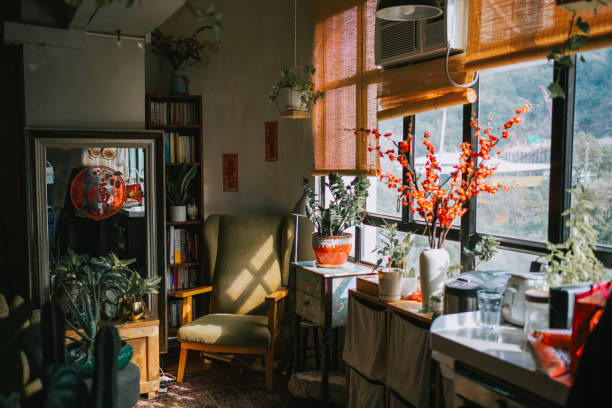
I’ve moved more times than I’d like to admit. Not in a dramatic “new country every year” way, just enough to know that some places click fast and some never really do. And honestly, it’s weird. You can move into a bigger house, better area, nicer furniture, faster internet (important), and still feel like a guest in your own room. Then there are places that feel like home in two weeks, even though half your boxes are still unopened.
So yeah, what actually makes a place feel like home when it’s technically new?
It’s definitely not just the house. Or the city. Or the rent, though rent does affect mood a lot, let’s be real.
It Starts With Small Comforts, Not Big Decisions
People love saying “home is where the heart is” and all that Instagram-caption wisdom. But in real life, home starts with really boring stuff. Like knowing which switch turns on the bathroom light. Or not thinking twice before opening the fridge. That moment when you stop walking quietly at night because you don’t feel like you’re disturbing someone… that’s when a place starts feeling yours.
I remember moving into a rented flat where everything looked perfect on day one. Modular kitchen, shiny tiles, even the balcony view was decent. Still felt off. Meanwhile, another place I lived in had cracked walls and a fan that made weird helicopter noises, but somehow that one felt warmer. Maybe because I spilled coffee there on day two and didn’t panic. That’s a sign.
Psychology people say familiarity creates emotional safety. I read somewhere that the brain likes predictability more than beauty. Makes sense. Your brain doesn’t care about marble floors, it cares about knowing where the charger is.
People Around You Matter More Than the Place Itself
This part is annoying because you can’t buy it or design it. But it’s true. A place feels different when you have even one person you can text without thinking too much. A neighbour who nods. A shopkeeper who remembers your usual order. The chai guy downstairs knowing you want less sugar without asking… that’s elite level comfort.
There’s this stat floating around on X (Twitter, sorry Elon) about how people who have at least three casual social interactions a day feel significantly less lonely, even if they live alone. I don’t know how accurate that number is, but emotionally it feels right. You don’t need deep friendships immediately. You just need proof that you exist in that space and people see you.
I once lived in a city where no one made eye contact. Efficient, clean, very quiet. Also very lonely. Compared to another place where strangers would randomly complain about traffic with you. Somehow that felt better. Shared suffering bonds faster than shared success, I guess.
Your Routine Builds the Feeling Before You Realize It
Home sneaks up on you through routine. Same playlist while cooking. Same corner of the bed you end up sleeping on even though the bed is huge. These habits stack quietly.
Financially, this matters too, though nobody talks about it. When you stop thinking about daily expenses all the time, you relax into a place. Knowing roughly how much groceries cost. Knowing which auto guy won’t overcharge you. Predictable expenses reduce mental noise. It’s like background anxiety slowly turning down.
I saw a Reddit post where someone said moving cities wasn’t stressful because of packing, but because they lost their “cheap and reliable places”. That hit hard. Home is partly about knowing how to live without constantly calculating every small decision.
Objects Carry Emotional Weight (Even Useless Ones)
Minimalists might hate this, but random objects matter. That old mug. That chair you never sit on properly. The plant that somehow survives only in that one corner. These things anchor you.
There’s a lesser-known concept called emotional tagging. Basically your brain links emotions to objects and spaces without asking permission. So when you bring familiar stuff into a new place, you’re kind of cheating the system. You’re telling your brain, relax, we’ve been here before.
I once forgot to unpack my books for months, and the room felt temporary the whole time. The day I finally stacked them badly on a shelf, suddenly the place felt lived-in. Still don’t know why books have that power. Maybe because they scream “I’m staying”.
Online Noise Also Shapes How We Feel About Places
This part is new, and kind of messed up. Social media changes how fast a place feels like home. If your feed keeps showing people romanticizing the city you’re in, you start liking it more. If everyone online is complaining, you start noticing flaws you didn’t care about before.
There was a phase where Instagram convinced everyone that moving to certain cities would fix their life. And then TikTok started showing the rent, the crowd, the burnout. Suddenly the same city feels different.
Home isn’t just physical anymore. It’s partly digital validation. When you can post something ordinary about where you live and people respond like “same here”, it adds to that belonging feeling. Sounds silly, but it works.
Feeling Safe to Be Messy Is the Final Stage
This is my personal theory, not science. A place becomes home when you stop trying to impress it. When your room gets messy and you don’t rush to clean before sleeping. When you wear old clothes inside.
That’s emotional safety. And that’s rare.
Some places look good but don’t allow mess. Some relationships are like that too, now that I think about it. Home is where you’re allowed to exist without performing.
So yeah, a place feels like home not because it’s perfect, but because it lets you be imperfect without consequences.
And honestly, sometimes it happens fast. Sometimes it doesn’t happen at all. Both are okay. Not every place is meant to be home. Some are just chapters.