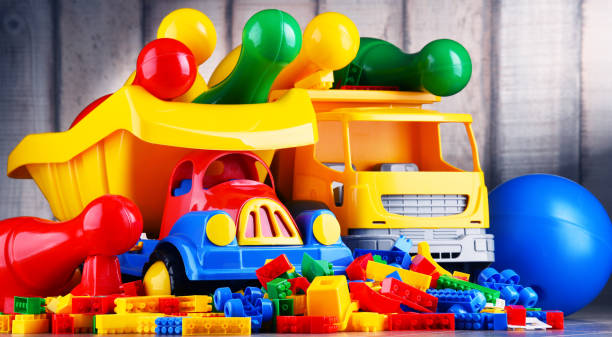
The Day I Actually Started Caring About Kids Toys
I used to think kids toys were just colorful plastic chaos — noise, weird shapes, pieces that end up in your foot at 3 a.m., all that stuff. I swear, I thought toys were basically just negotiation tools parents use: If you don’t calm down I’ll take away the thing that lights up and makes loud noises. Then one slow Sunday afternoon (classic procrastination hour), I clicked on this kids toys link because I was bored and ended up staring at those little interactive things longer than I should have. I added four different toys to my cart just because some of them looked oddly fascinating, not even for a kid — more like for me and my inner child. Before I knew it, the box arrived and there I was, unpacking tiny friction cars and squishy sensory puzzles like they were precious relics. And honestly? My brain whispered, Maybe these aren’t just silly plastic bits after all.
Why Toys Are Actually Designed With Weird Emotional Logic
So here’s something I didn’t realize at first: kids toys aren’t just random junk. They’re engineered to get attention, make little brains go ooh shiny, and help with motor skills and all that serious developmental stuff. I once left one of those squishy sensory pop toys on the coffee table and within minutes — not kidding — a stranger on a video call in the next room was nodding thoughtfully and going, Hmm, that looks… very satisfying. That’s the kind of subconscious allure these little things have. Even as an adult I found myself picking it up absent‑mindedly and doing that popping motion like some tiny stress ritual.
People online will talk about kids toys like they’re some sort of psychological mastermind tools — think puzzles that light up, blocks that build patterns, tiny creatures that make noise when shaken. And I used to roll my eyes at those reels like Sure, sure, toy wizardry, until I watched a baby discover a simple rattle and giggle like the universe suddenly made sense. That little emotional burst? That’s design magic disguised as play.
When Your Inner Child Sneaks Back Through Toys
Once I had a few toys out on my shelf, I swear something weird happened — my brain started treating them like tiny companions. Not kidding: every time I walked past, I’d absent‑mindedly tap the little cars or pick up a textured puzzle ball and squish. It was like my stress levels went down without me noticing until suddenly I did notice and went, Whoa… why am I calm right now? Was it a toy? Was it a placebo? Who cares — it worked.
There was this one silly moment where I tried to organize the toys by shape and color, and I realized I was having more fun with that than I did trying to match socks that morning. That’s when I had to pause and think: Maybe those childish objects have a bigger job than we give them credit for. They’re not just toys — they’re tiny joy dispensers with zero drama.
Toys Are Like Tiny Social Bridges
The first time I brought one of those toys to a friend’s place (a tiny car with spinner wheels, of all things), it started playing this weird little tune and both of us just stared and laughed. Not because it was hilarious, but because in that second we were on the same weird wavelength of this little thing is funny. And honestly, toys have this weird way of dissolving social stiffness. I once saw two kids silently nodding at each other just because they both discovered the same light‑up puzzle piece at the same time — like instant tiny friendship language.
Parents online post pictures of toy setups like they’re tech puzzle boards — lights here, movable parts there, interactive features everywhere — and at first it looked chaotic. Then I realized it’s less about chaos and more about engagement. These toys pull attention like magnets, not by accident but by design. And when you see a kid’s face light up when a little car zooms across the floor? That’s pure electric little joy.
Those Little Aha! Moments With Toys
One afternoon I brought out a stacking ring toy (ridiculously simple, right?), just to see what it felt like to actually use it the way it was meant to be used. I stacked the rings briefly — yes, adult in full awareness — and couldn’t help but grin at how satisfying it felt. The colors, the tactile sensation, the sense of order forming… it was weirdly calming. Almost like a tiny meditation disguised as play.
I caught myself using those stacking rings while waiting for my tea to brew too. Ten seconds of arranging rings, boom: instant distraction from that I forgot to reply to that message panic. Toys have this weird ability to center your attention — not because they’re complicated, but because they work in small, earthy ways our brains actually appreciate.
And don’t even get me started on sensory toys — the ones with different textures and soft little bumps. I gave one to a friend during a stressful chat (no kids around, mind you), and they ended up absent‑mindedly stroking it and going, You know… this is weirdly soothing. That right there was confirmation enough: toys aren’t just for kids. They’re tiny tension relief tools if you let them be.
The Curiosity Loop That Toys Create
Kids have this thing where they examine one toy, then another, then a third, and before you know it they’re hopping between them with this tiny, unstoppable excitement. That same loop happens in adults too — I would find myself glancing from one toy to another and thinking, Hmm, what if I stacked them in a spiral today? Or lined them up by size? Little moments of curiosity, tiny bursts of joy. That’s psychology doing its job.
There was this one night where I sat with some toys on my lap while watching TV, just because. Not because I wanted to, but because my fingers kept moving toward them as if they were tiny brain invites. And you know what? That evening felt lighter than most. It wasn’t dramatic, it wasn’t profound — it was subtle and warmly distracting. That’s the charm of play.
When Toys Become Part of the Room Vibe
I ended up leaving some toys arranged neatly on a shelf, and one day a friend came over and said, Your space feels fun. And I realized — yeah, a few toys can do that. They make a place feel lived in in a joyful way, not just messy or random. Toys have personality, and placing them in a room isn’t just décor — it’s energy. Color, texture, whimsy — all of it changes the vibe without even trying hard.
People sometimes hesitate to bring toys into adult spaces because they think it’s childish. But what if it’s not childish? What if it’s playful in the best possible way — like tiny mood lifters you don’t even have to think about? A smiling plush companion here, a spinning top there — suddenly the place feels more alive, less plain.
The Real Value of Play Doesn’t Have an Age Limit
Play isn’t just something kids do between naps and snack breaks. It’s this human instinct to explore, engage, and find delight — simple, honest delight. Adults lose that somewhere between bills and responsibilities, and suddenly we treat joy like it’s optional. But when you see a kid discover something as simple as a rattle sound or a bouncing ball and you feel that joy yourself, it’s like the universe reminding you: Play still matters.
Kids toys literally embody that tiny joy in physical form. They’re like little happiness triggers disguised as plastic, silicone, color combinations, and squeaks. You don’t need to be a kid to appreciate them — you just need to be alive.
So Maybe You Should Give Them a Chance Too
Look, I’m not saying everyone should run out and buy every toy in town. But if you’ve ever been stuck in a loop of stress, monotony, or ugh this day is dragging, maybe flipping through some options in the kids toys collection and picking one that makes you go Hey that looks fun might brighten up your day in a tiny, surprising way.