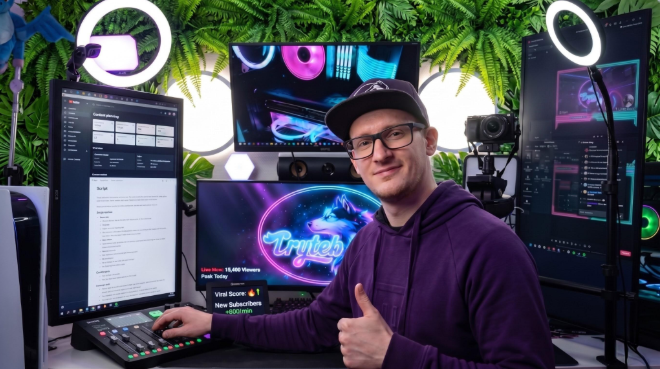
For many people, online gaming begins with a simple desire to have fun. Someone logs in after a long day at work, joins friends for a competitive match, or spends a quiet evening exploring a virtual world. At first glance, gaming seems like an activity designed purely for entertainment. However, look a little closer, and another story begins to emerge. Behind the colorful screens, exciting tournaments, and growing gaming communities lies an industry filled with business ideas, creative opportunities, and new ways to earn a living.
What makes online gaming particularly interesting is that business opportunities do not belong exclusively to game developers or professional players. A person who enjoys editing videos, designing graphics, organizing events, writing articles, or communicating with an audience may also find a place in this expanding ecosystem. In other words, the gaming industry is no longer just about who wins a match. It is increasingly about who can create something valuable around the experience.
The Gaming Industry Is Bigger Than the Game Itself
Imagine a popular online game with millions of players. The developers create the game, but their work is only one part of a much larger picture. Players need devices, internet access, accessories, guides, entertainment, communities, and opportunities to compete. Around these needs, different businesses begin to grow.
Gaming content creators produce tutorials, reviews, livestreams, and entertaining videos. Designers create logos, thumbnails, character illustrations, and promotional materials. Event organizers arrange tournaments, while technology businesses provide equipment and services that improve the rajapanen gaming experience. Even writers can contribute by creating gaming news, strategy guides, industry analysis, and website content.
This interconnected ecosystem demonstrates an important business principle: a large audience often creates demand for more than the main product. When people become deeply interested in an activity, they look for additional ways to enjoy it, understand it, share it, and improve their skills.
For aspiring entrepreneurs, this creates an opportunity to look beyond the game itself. Instead of asking only, “Which game should I play?” a more productive question might be, “What do gamers need, and how could I help provide it?”
Content Creation Turns Gaming Knowledge Into Opportunity
One of the most visible business opportunities in online gaming is content creation. Platforms that support video sharing and livestreaming allow players to build audiences by sharing gameplay, discussing strategies, reviewing new releases, or simply entertaining viewers with their personalities.
However, success in this field is not limited to people with exceptional gaming skills. Some audiences prefer detailed explanations from knowledgeable players, while others enjoy funny commentary, beginner-friendly tutorials, gaming news, or honest reviews. A creator who understands a specific audience can offer something meaningful even without being the best player in the room.
Consider someone who enjoys explaining complicated game mechanics. That person could begin by publishing short tutorials, then develop longer guides or build a community around a particular genre. Over time, possible revenue sources might include advertising, sponsorships, memberships, affiliate partnerships, or paid educational products, depending on platform rules and audience interest.
Still, content creation should not be mistaken for an easy path to income. Building an audience takes consistency, experimentation, and patience. Many creators spend months improving their presentation before seeing meaningful results. The strongest approach is to treat content as a creative business: understand the audience, maintain quality, respect copyright rules, and give people a reason to return.
Esports Creates Opportunities Beyond Professional Players
Competitive gaming has introduced another dimension to the industry. Esports tournaments bring together players, teams, sponsors, broadcasters, fans, and event organizers. While professional players often receive the most attention, an esports event depends on many people working behind the scenes.
Tournament administrators coordinate schedules and rules. Commentators make matches more engaging for viewers. Video editors transform exciting moments into shareable highlights. Marketing professionals promote competitions, while technical teams help ensure that broadcasts and online systems operate smoothly.
There are also opportunities in photography, graphic design, public relations, sponsorship management, and venue operations. Someone who enjoys organizing activities may be better suited to managing tournaments than competing in them. Likewise, a person with strong communication skills might find a role in hosting, interviewing, or community management.
This perspective matters because it broadens the definition of a gaming career. Not everyone needs to become a professional player to participate in esports. Sometimes, the most sustainable opportunity comes from developing a practical skill that the competitive gaming community needs.
For beginners, starting small can be sensible. A local gaming competition, an online community tournament, or a small livestreamed event can provide experience and help build useful connections. These early projects may not generate substantial income, but they can become valuable demonstrations of ability.
Gaming Products and Services Solve Everyday Problems
Every growing industry creates demand for products and services. In online gaming, those needs range from basic equipment to specialized digital solutions.
Physical businesses may sell keyboards, controllers, headsets, gaming chairs, computer components, or mobile accessories. Other entrepreneurs may focus on device maintenance, computer assembly, equipment reviews, or personalized setups for different budgets. A business does not necessarily need to sell the most expensive products; it can stand out by helping customers choose items that genuinely fit their needs.
Digital services offer another route. Independent developers can create companion applications, community websites, tournament management tools, or useful software for gaming groups. Designers can sell original artwork, stream overlays, or other permitted digital assets. Writers may produce guides, newsletters, and educational resources for players who want to learn more efficiently.
The central idea is to solve a specific problem rather than launching a business simply because gaming is popular. For example, new players may struggle to understand complex game mechanics, while tournament organizers may need easier ways to manage registrations. A clear solution to either problem can be more valuable than a broad product that tries to serve everyone.
Of course, businesses must also consider intellectual property rights, licensing conditions, platform policies, and consumer protection requirements. Popular game characters, logos, music, and other protected materials cannot automatically be used for commercial purposes. Original work and proper permissions are essential foundations for a responsible business.
Communities Can Become the Foundation of a Business
Online games bring together people who share interests, goals, humor, and experiences. Over time, these connections can develop into active communities where members exchange advice, discover new games, and support one another.
From a business perspective, a healthy community can become a valuable foundation. A creator might establish a group focused on beginner tips, strategy discussions, a particular genre, or gaming culture. As the community grows, opportunities may emerge for sponsored events, educational sessions, merchandise, or partnerships that genuinely match its interests.
Yet a community is not simply a collection of potential customers. People join because they want connection, entertainment, information, or a place where their interests are understood. If every conversation becomes a sales pitch, members may quickly lose trust.
Successful community-based businesses therefore depend on a balance between commercial goals and genuine value. Moderation, respectful communication, clear rules, and honest recommendations help create an environment where people want to participate. Trust takes time to build, but it can become one of the most important assets a small gaming business possesses.
Marketing and Partnerships Open New Doors
Gaming audiences have also attracted brands looking for new ways to connect with consumers. Companies may sponsor esports competitions, collaborate with content creators, advertise through approved channels, or support community events. This creates opportunities for people who understand both gaming culture and marketing.
A small creator, for example, may not have millions of followers but could have a highly engaged audience interested in a particular type of game or equipment. A relevant partnership may provide value to both sides if the creator communicates honestly and the product suits the audience.
Businesses can also benefit from gaming-inspired marketing without operating a gaming company themselves. An event agency might organize a branded competition, a design studio could create promotional graphics, or a technology retailer might produce educational content for players choosing new equipment.
However, partnerships should be approached carefully. Audience numbers alone do not guarantee effective promotion. Brands and creators need to consider relevance, engagement, reputation, transparency, and measurable results. Paid promotions should be disclosed where required, and exaggerated claims can damage credibility.
In a market where people encounter countless advertisements, authenticity can make a meaningful difference.
Turning an Interest Into a Sustainable Business
Passion can be a useful starting point, but it is not a complete business strategy. Enjoying online games does not automatically mean someone understands customer demand, pricing, budgeting, marketing, or long-term planning. These skills must be developed alongside gaming knowledge.
A practical first step is to choose one area that matches existing strengths. Someone who writes well could begin with gaming articles or guides. A person who enjoys design might build a portfolio of original graphics. Someone comfortable speaking on camera could experiment with tutorials or livestreams. Choosing one direction makes it easier to learn, test ideas, and understand what an audience actually values.
Next, begin with a manageable project rather than spending heavily at the beginning. Test whether people find the product or service useful. Ask for feedback, study competing offerings, calculate costs, and improve the work based on real responses. If demand becomes clearer, the project can gradually develop into a more organized business.
It is also important to separate personal enjoyment from financial expectations. Income from gaming-related work can fluctuate, particularly when it depends on advertising, sponsorships, platform algorithms, or audience growth. Maintaining a budget, avoiding unnecessary debt, and developing skills that remain useful outside gaming can reduce some of these risks.
A sustainable business is not built only on excitement. It grows through learning, reliability, adaptability, and the ability to provide something people genuinely need.
The Future Belongs to Creative Problem-Solvers
As technology changes, the online gaming industry will continue to create new possibilities. Artificial intelligence may influence game development, player support, moderation, and content production. Virtual and augmented reality may inspire different forms of interactive entertainment. Cloud gaming could also change how people access certain games and devices.
These developments may create opportunities for developers, designers, analysts, educators, and service providers. At the same time, new technology can make competition stronger and introduce fresh challenges involving privacy, intellectual property, accessibility, and responsible use.
Nobody can predict exactly which gaming businesses will become successful. Nevertheless, people who stay curious, learn continuously, and pay attention to changing player needs will be better prepared to identify emerging opportunities.
The most promising idea may not be the most complicated one. It could be a useful tutorial, a well-organized tournament, a service that saves players time, or a community that makes newcomers feel welcome. Small ideas can become meaningful ventures when they address real needs and are developed with care.
Conclusion: Beyond Playing Lies a World of Possibilities
Online gaming has grown into more than a source of entertainment. It is an ecosystem where technology, creativity, competition, communication, and commerce meet. For some people, it provides a career in content creation or esports. For others, it becomes the inspiration for a product, a digital service, a marketing agency, or a community-driven business.
The important lesson is that opportunity does not come from popularity alone. It comes from understanding people, recognizing unmet needs, and developing the skills to respond to them.
A gaming enthusiast does not have to abandon the joy of playing to explore the business side of the industry. Instead, that enthusiasm can become a starting point for learning, experimenting, and creating something useful. The next opportunity may be hiding in a problem players face every day, a skill they wish to learn, or a connection they hope to make.
Beyond playing, the online gaming industry offers a reminder that passion can open a door but creativity, patience, and thoughtful execution are what help turn that open door into a lasting opportunity.